A common question students ask me in autumn is, “What is Kimjang?” In 2013, Korea’s Kimjang culture (김장 문화) was designated as an Intangible Cultural Heritage by UNESCO. But what exactly is “김장” (Kimjang)?
It’s the tradition of making large quantities of “김치” (kimchi) in preparation for the long, cold winter. Every November, my family gathers at my grandmother’s house to participate in Kimjang. If there aren’t enough hands, neighbors are called over to help, and in return, we also assist them with their Kimjang.
In this post, I’ll talk about this unique tradition—what is Kimjang, how it works, and why it’s about so much more than just food. It’s where delicious food, family bonds, and a sense of community all come together.
The History of Korea’s Kimjang Culture
Korean winters are long and harsh. Nowadays, you can buy kimchi and fresh vegetables year-round at the supermarket, but in the past, it was difficult to find fresh produce during winter.
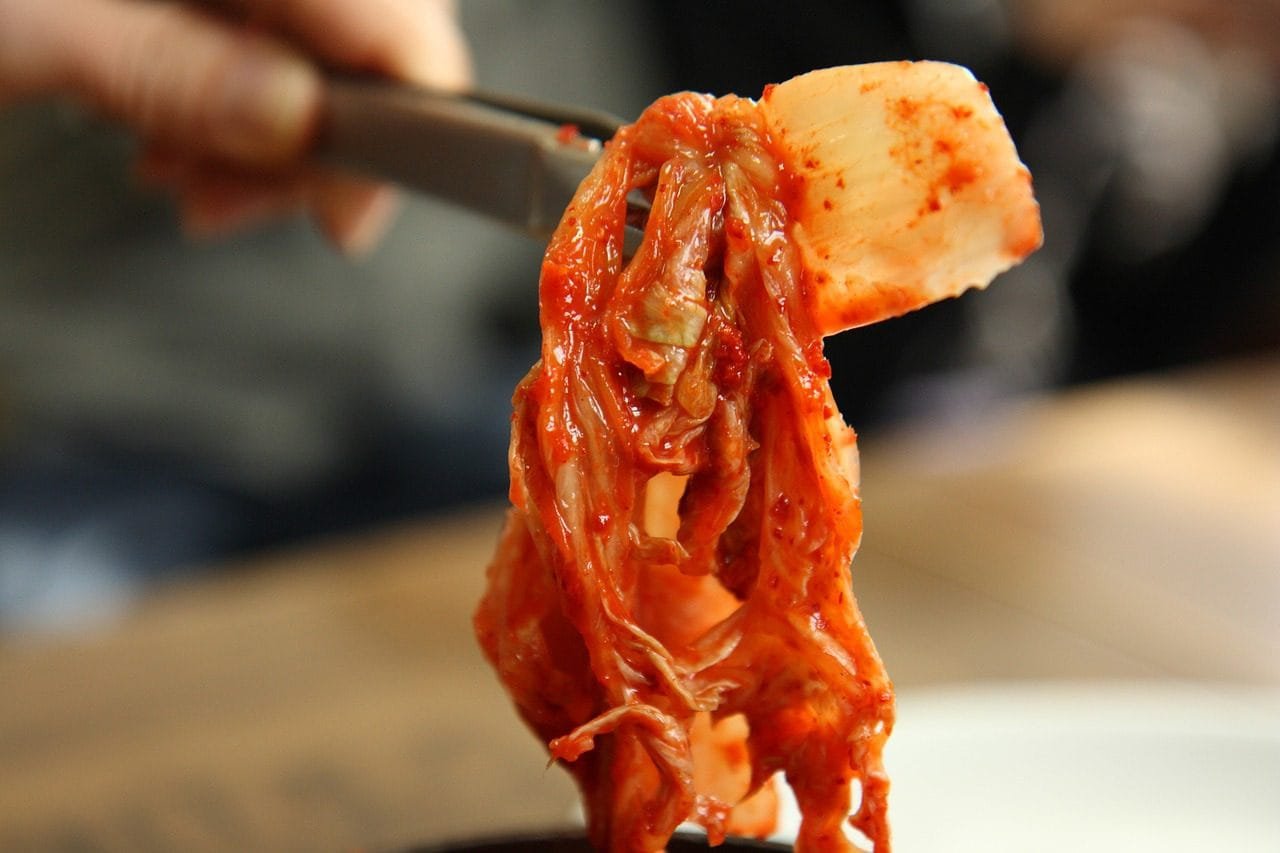
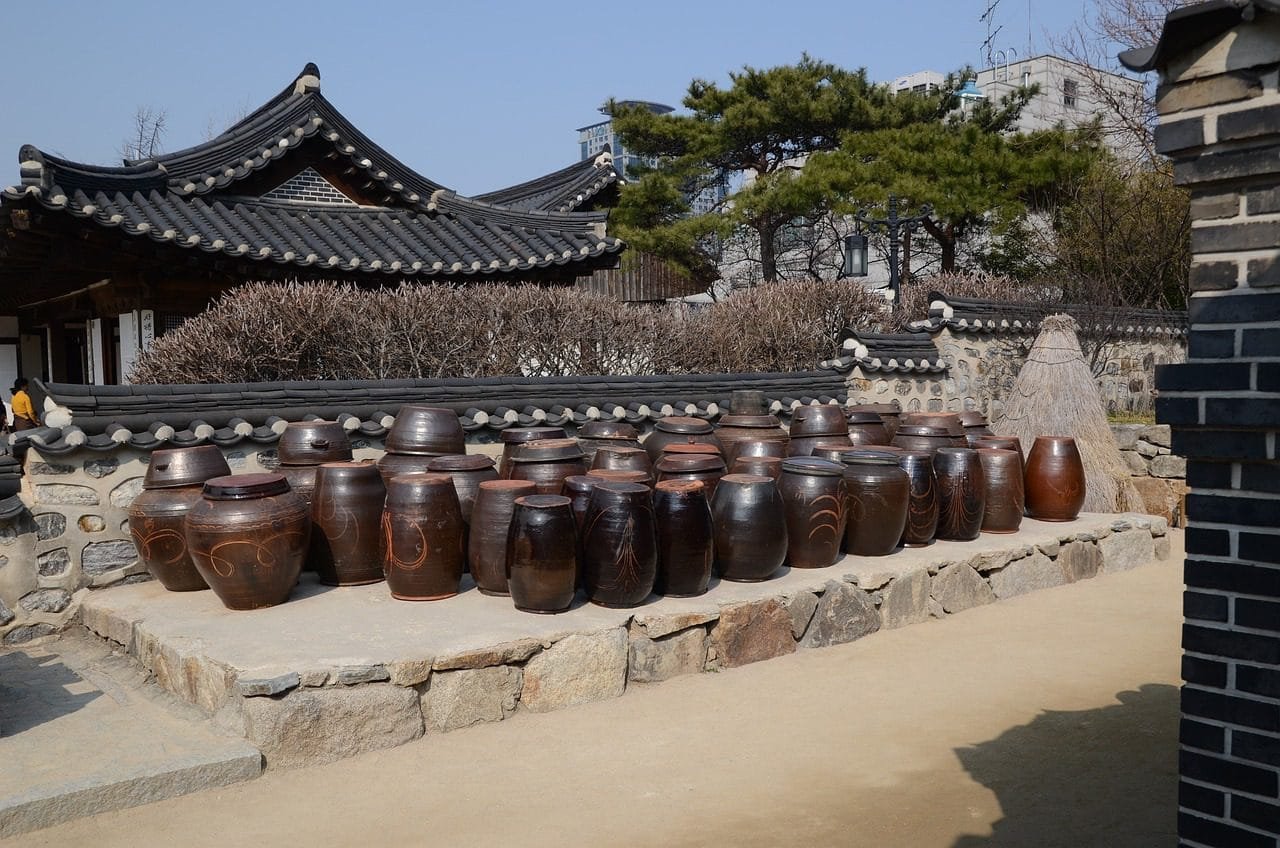
To solve this, families and neighbors would gather in late autumn to prepare enough kimchi to last through the entire winter. This is the origin of the Kimjang culture. They made large quantities and stored the kimchi in large earthenware jars, called “장독대” (jangdokdae), which were buried in the ground to keep the kimchi cool and fresh throughout the season. This was essentially an early form of the kimchi refrigerator!
But what is Kimjang if not a social event? The reason it’s a UNESCO Intangible Heritage isn’t just the recipe; it’s the process. It was a vital community activity that no single family could do alone. It strengthened social bonds, reaffirmed Korean identity, and ensured the entire village survived the winter, which is a key reason it’s a protected Kimjang culture.
The Kimjang Process: How to Make Kimchi for Winter
Kimjang is a labor-intensive task, so it’s common for families and neighbors to come together to share the workload. This is a basic breakdown of how to make kimchi for Kimjang:
1. Preparing the Ingredients
In November, we harvest autumn napa cabbage (배추, baechu), the main ingredient. My grandmother grows hundreds of heads of cabbage on her farm, which we use for our family’s Kimjang.
Along with cabbage, we also need radishes, red pepper powder (고춧가루), garlic, ginger, and a variety of fermented seafood (jeotgal), which vary by household, giving each family’s kimchi its own distinct flavor.
2. Salting the Cabbage
The harvested cabbages are cut in half and must first be soaked in saltwater (a process called jeorida). This step draws out moisture from the cabbage, giving it a crisp texture while helping the seasoning absorb better. This is the most labor-intensive part and often takes all night.
3. Making the Seasoning
Each family has its own recipe for the kimchi seasoning (sok), often passed down through generations. There isn’t a strict recipe—it’s more about following the instincts of the person in charge, usually my grandmother. Because we make such a large batch, the flavor can vary slightly every season.
4. Mixing the Cabbage
Once all the ingredients are ready, the entire family gets involved. We sit together, chatting while we rub the red seasoning paste into each individual cabbage leaf. Kids run around excitedly, sneaking bites of fresh kimchi (called geotjeori) from their parents. This is where family bonds grow stronger.
5. Storing the Kimchi: From Jars to the Kimchi Refrigerator
In the past, kimchi was stored in the jangdokdae jars buried underground. But today, we divide the kimchi into smaller containers so each family can take some home.
These containers are then stored in a special kimchi refrigerator (김치냉장고, kimchi naengjanggo). This might surprise foreigners, but yes, this is a separate appliance from a regular refrigerator!
So, what is a kimchi refrigerator? It’s a special cooler designed to maintain the perfect, stable low temperature (around 0°C) and high humidity for fermentation. This allows the kimchi to slowly ferment and stay fresh and crisp for months, or even a year. A regular fridge is opened too often, causing the temperature to fluctuate, which makes kimchi go sour quickly. This appliance is a standard in almost every Korean home and is a modern evolution of the Kimjang culture.
The Reward for Kimjang: Suyuk with Fresh Kimchi
Although we can make kimchi anytime at home, Kimjang is a special time when everyone comes together. After finishing the hard work of Kimjang, it’s tradition for families to enjoy a meal together.
In my family, we often boil pork and eat it with the freshly made kimchi. This is the ultimate reward. The boiled pork, known as “수육” (suyuk), pairs perfectly with the spicy, crisp geotjeori. Eating suyuk with kimchi is the reward for a hard day’s work. Adding a bit of “막걸리” (makgeolli, Korean rice wine) makes the meal even better.
➤ So, what is Kimjang? It’s more than just the act of making a lot of kimchi. It’s a warm tradition that brings family and neighbors together. However, as families become smaller and store-bought kimchi becomes more convenient, fewer households are practicing Kimjang. It’s a bit sad to see this beautiful Kimjang culture slowly fading.