Recently, I came across an article highlighting the growing list of Korean words in OED (Oxford English Dictionary), many featured in hits like Squid Game. This was news to me! The global popularity of K-pop, K-dramas, and the broader Korean Wave (Hallyu) has brought Korean culture into the spotlight. This cultural surge has led to a fascinating linguistic trend: the formal inclusion of Korean words in the OED. This isn’t just a fun fact; it’s a symbolic marker of Korea’s growing global influence.

What is the Oxford English Dictionary?
The OED is widely regarded as one of the most respected and authoritative dictionaries for the English language. Its team of lexicographers rigorously tracks the evolution of language. The inclusion of new words, especially from non-English roots, signifies that these terms have achieved widespread use and recognition among English speakers, moving from niche terms to mainstream vocabulary.
The 2021 Hallyu Update: 26 New Korean Words
In a notable update in 2021, the OED added 26 Korean words at once, drawing significant international attention. This was one of the largest single updates for a specific language. Let’s look at a few examples—these are commonly used words that are worth knowing!
- K-drama: Refers to Korean dramas, which have gained massive popularity globally, thanks to platforms like Netflix.
- Hallyu (한류): Translates to the “Korean Wave,” symbolizing the global spread of Korean pop culture.
- Kimchi (김치): Korea’s traditional fermented dish, renowned worldwide as a healthy food.
- Mukbang (먹방): Content featuring people eating large amounts of food, a trend that gained global traction on platforms like YouTube.
- Bulgogi (불고기): A staple Korean dish made of marinated beef or pork, grilled to perfection.
- Daebak (대박): An exclamation expressing excitement or amazement, commonly used among younger people.
Recent Additions: The Wave Continues
The list doesn’t stop there. Here are seven more Korean words added to the dictionary more recently, each telling a story about modern culture:
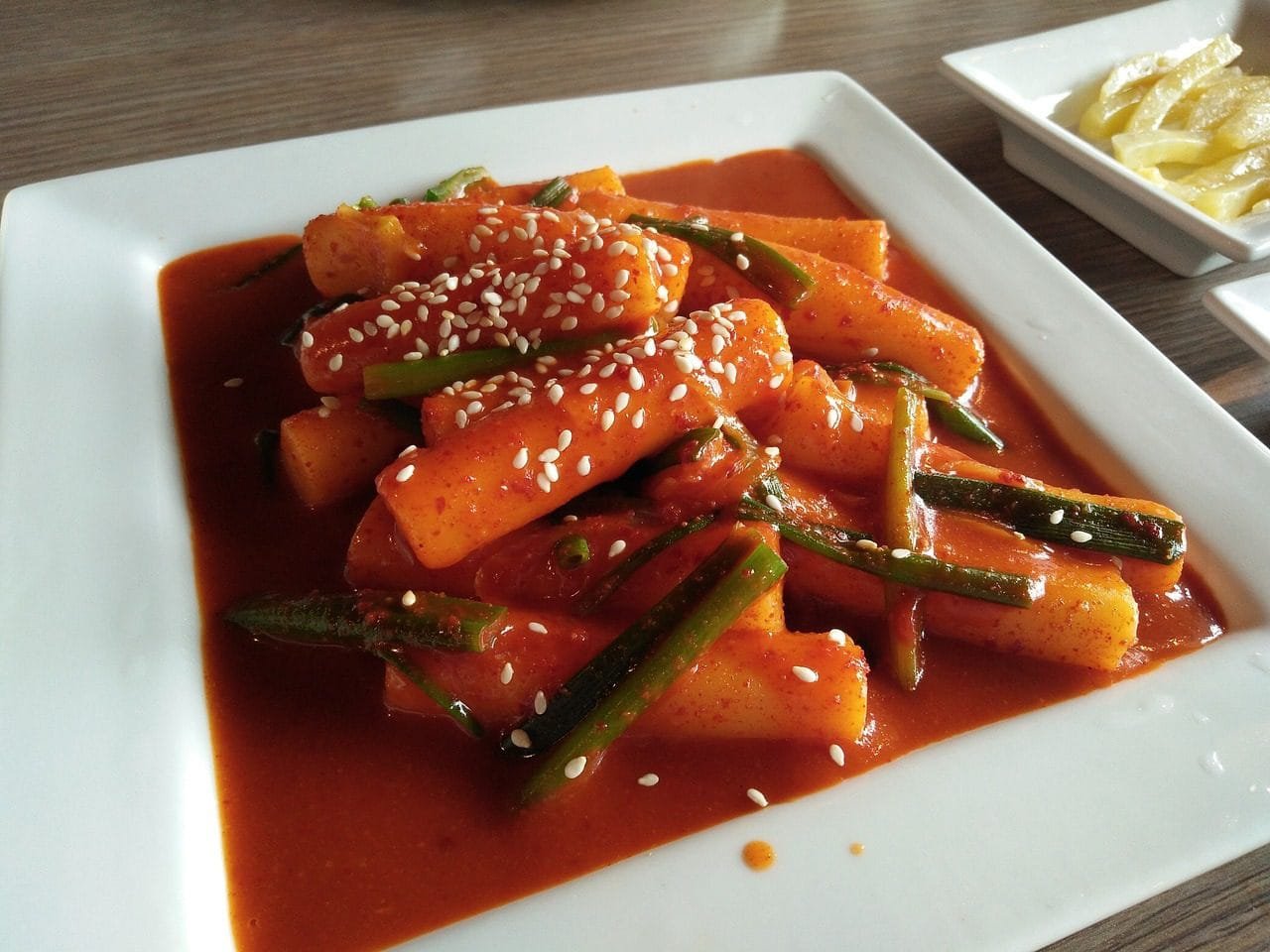
- Tteokbokki (떡볶이): A popular Korean snack made from chewy rice cakes in a spicy gochujang (red chili paste) sauce. Variations with black bean or cream sauces are also trending.
- Dalgona (달고나): A traditional Korean sugar candy that gained global fame through Squid Game. For many Koreans, it evokes nostalgic memories of making it at street stalls after school.
- Maknae (막내): Refers to the youngest member of a group, often used in K-pop fandoms.
- Hyung (형): A term used by men to address older male friends or brothers, reflecting Korea’s cultural emphasis on relationships and respect.
- Pansori (판소리): A traditional Korean musical storytelling performance accompanied by drumming.
- Jjigae (찌개): A Korean stew made with meat, tofu, vegetables, and a seasoned broth.
- Noraebang (노래방): A Korean-style karaoke room where people can sing along to music with lyrics displayed on a screen.
Why Are So Many Korean Words in OED?
Several factors explain the accelerated rise of Korean words in the OED. This trend answers the question of why K-culture words are in the OED.
1. The Global Popularity of Hallyu
The Korean Wave has swept the world. K-pop groups like BTS and Blackpink dominate international music charts and break streaming records. K-dramas like Squid Game and films like Parasite (the first non-English film to win the Oscar for Best Picture) have captivated global audiences, introducing them to new concepts and, consequently, new words.
2. Rising Interest in Korean Cuisine
Korean food has transcended borders. Dishes like kimchi, bulgogi, and bibimbap are no longer exotic but have become staples in international dining. The “Mukbang” phenomenon bridged cultural gaps by engaging audiences through the universal language of food. The rise of K-Cuisine has driven the need for specific words like Tteokbokki and Jjigae.
The Significance of Korean Words Added to the Dictionary
The inclusion of these Korean words in the OED reflects more than just a linguistic shift; it signifies a powerful cultural exchange. For decades, cultural flow was largely one-directional, from the West outwards. Now, this trend shows a robust, bidirectional exchange.
It is a testament to the global influence and “soft power” of Korean culture. These words help English speakers connect with and better understand Korean culture on a deeper level, strengthening international ties and proving that language is a living, breathing entity that evolves with our global society.
Looking Ahead
As the Hallyu wave continues to grow and more people engage with Korean media, food, and culture, we can expect even more Korean words in the OED in the future. This trend highlights the world’s enduring fascination with Korean culture and language.
Why not introduce these Oxford English Dictionary new words to your friends who are curious about Korean culture? It’s a great way to share and celebrate Korea’s global impact!