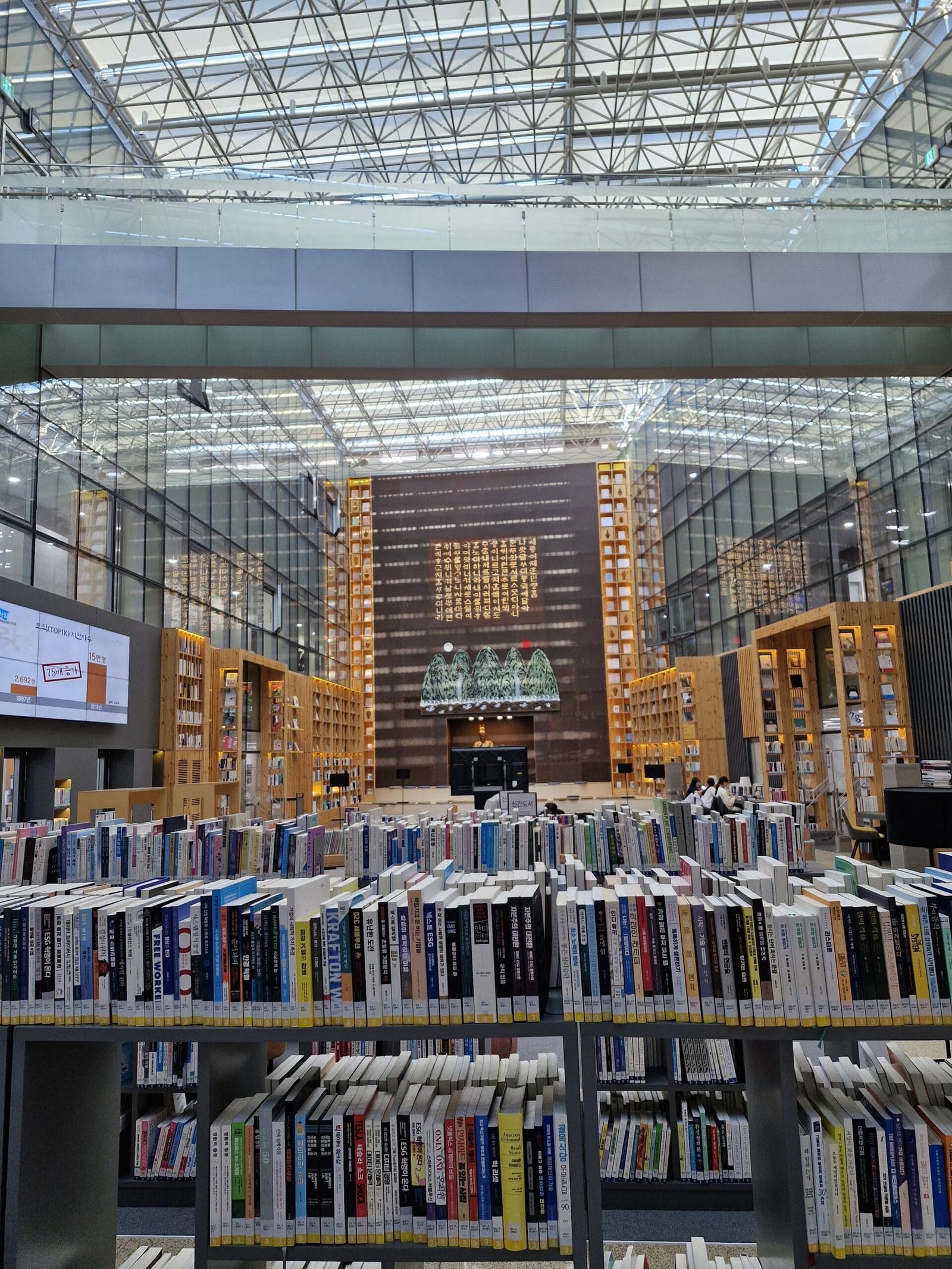
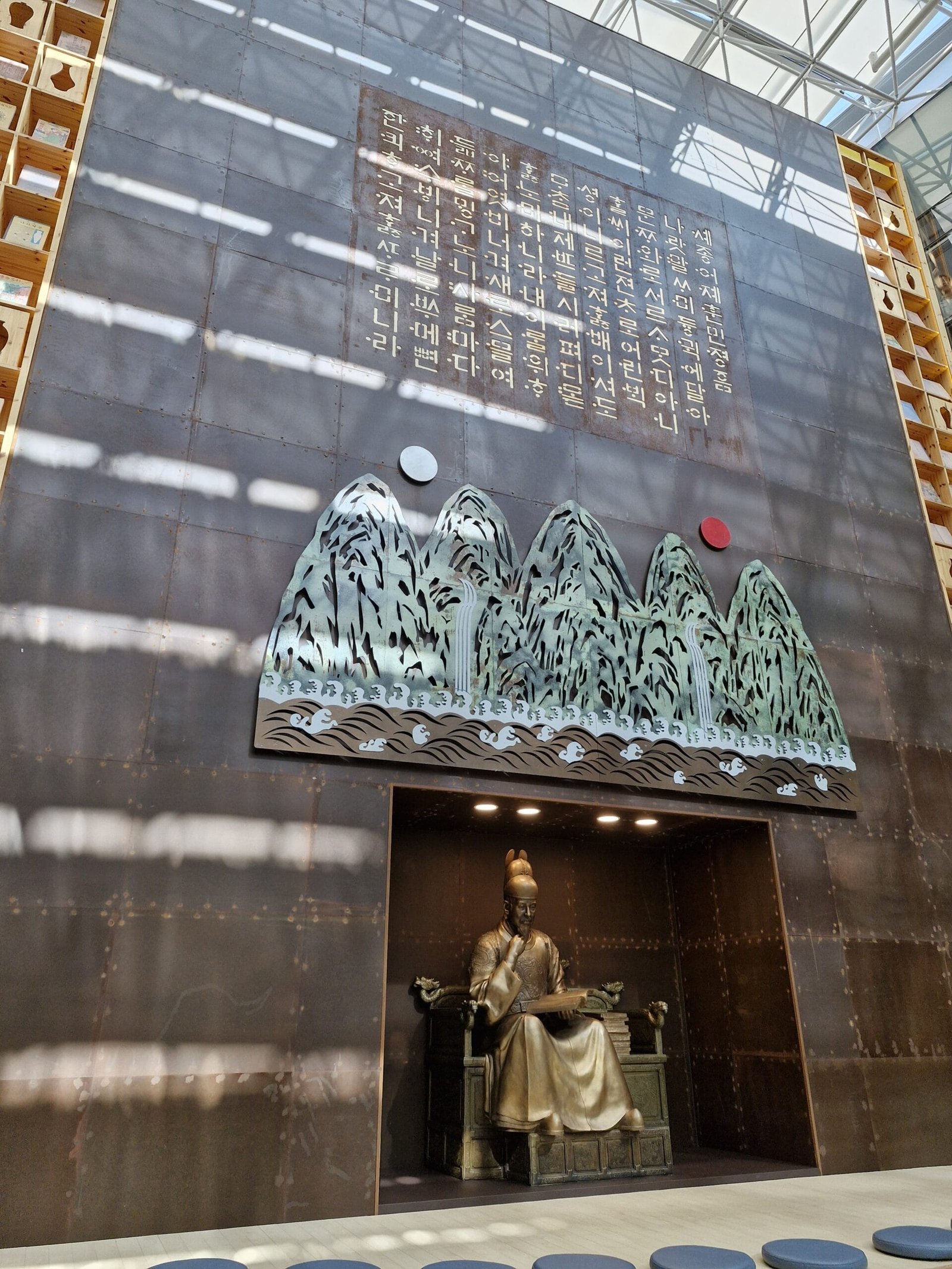
I live in Sejong City, where there are many beautiful libraries. A few days ago, I visited a small library located in the Sejong City Hall. At the entrance stood a statue of King Sejong, and next to it, many books about Hangul were displayed. It was there that I discovered an astonishing secret about the Hangul vowel philosophy.
This secret explains the fundamental meaning of Hangul vowels and why certain sounds feel different—a concept that even 99% of Koreans don’t know.
The Three Core Elements: What is Cheonjiin (천지인)?
In a previous post, I talked about the differences between the vowels ‘ㅏ’ and ‘ㅓ’, as well as ‘ㅗ’ and ‘ㅜ’. I summarized that ‘ㅏ’ and ‘ㅗ’ give a light and positive feeling (“bright vowels”), while ‘ㅓ’ and ‘ㅜ’ convey a heavier, more negative tone (“dark vowels”).
I was always curious about why. The answer lies in the Hangul vowel philosophy known as “천지인” (Cheonjiin).
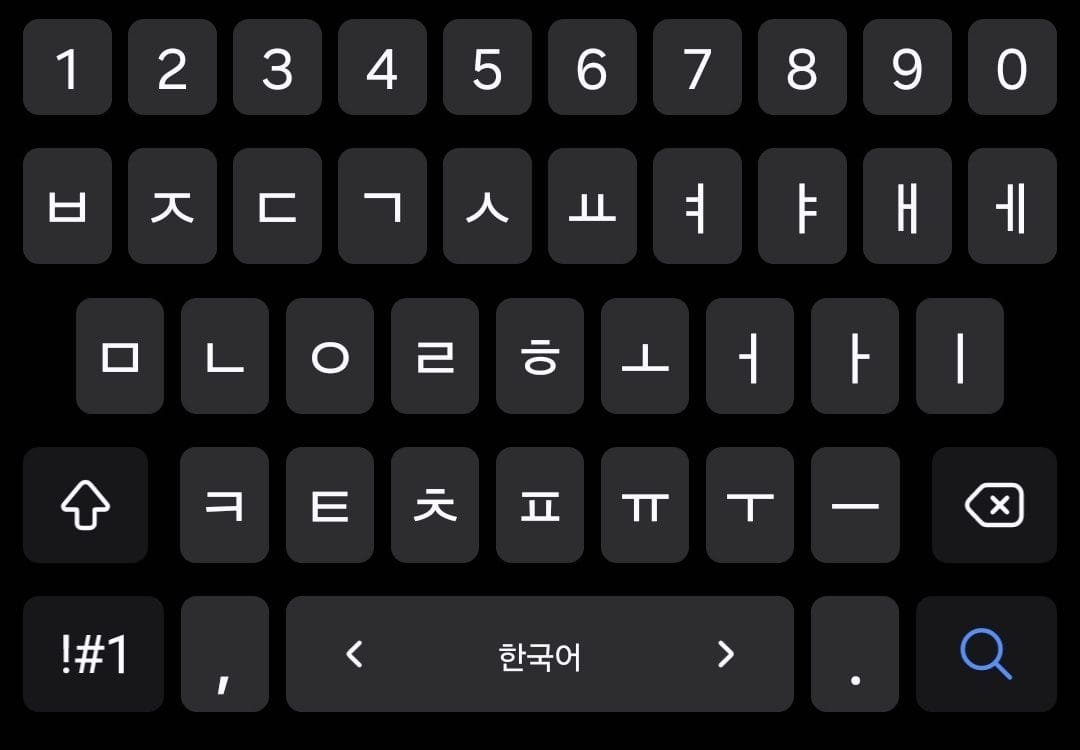
“Cheonjiin” literally means “Heaven, Earth, and Human.” As I introduced in a post about the “Cheonjiin” keyboard, these three elements are the philosophical basis for how all Korean vowels were designed. The original Hangul proclamation, the Hunminjeongeum Haerye, explains this.
The creators of Hangul built every vowel from just these three symbolic shapes:
- ㆍ (cheon, 천): A dot, representing Heaven or the Sun. It is the ultimate source of all things.
- ㅡ (ji, 지): A flat, horizontal line, representing the Earth.
- ㅣ (in, 인): A standing, vertical line, representing the Human who stands between Heaven and Earth.
Every other vowel in Korean, like ㅏ, ㅓ, ㅗ, and ㅜ, is simply a combination of these three core components. This is the heart of the Cheonjiin Hangul system.
The “Bright Vowels” (Yang): The Rising Sun
The Hangul vowel philosophy links these combinations to the position of the sun. The vowels ㅏ and ㅗ are known as Bright Vowels (or Yang vowels) because they symbolize creation, morning, and daytime.
- The Vowel ‘ㅏ’ (ah): This vowel is created by combining Human (ㅣ) with Heaven/Sun (ㆍ) on the outside or east side. It represents a person (ㅣ) with the sun (ㆍ) rising in the east. When does the sun rise in the east? In the morning. This is why ‘ㅏ’ carries the image of a bright, positive, and hopeful morning. (ㅣ + ㆍ = ㅏ)
- The Vowel ‘ㅗ’ (oh): This vowel is created by combining Earth (ㅡ) with Heaven/Sun (ㆍ) above it. This symbolizes the sun (ㆍ) shining high over the earth (ㅡ), representing midday. This is another bright, warm, and positive time of day. (ㆍ + ㅡ = ㅗ)
The “Dark Vowels” (Yin): The Setting Sun
On the other hand, the Bright vs Dark Korean vowels distinction becomes clear with ㅓ and ㅜ. These are “Dark Vowels” (or Yin vowels) because they symbolize the sun disappearing.
- The Vowel ‘ㅓ’ (eo): This vowel is created by combining Human (ㅣ) with Heaven/Sun (ㆍ) on the inside or west side. You can imagine a person (ㅣ) with the sun (ㆍ) setting in the west. The sun is going down, and the day is ending. (ㆍ + ㅣ = ㅓ)
- The Vowel ‘ㅜ’ (oo): This vowel is created by combining Earth (ㅡ) with Heaven/Sun (ㆍ) below it. The sun (ㆍ) is depicted below the horizon (ㅡ), as if it has already set and we are in darkness. (ㅡ + ㆍ = ㅜ)
So, both ‘ㅓ’ and ‘ㅜ’ represent the time when the sun sets, symbolizing darkness and the end of the day. Isn’t that fascinating? When I read this, I got chills.
The Hangul Vowel Philosophy: How This Creates Korean Vowel Harmony
This Hangul vowel philosophy isn’t just a “secret meaning”; it has a direct and powerful impact on the Korean language itself. It’s the basis for a core grammatical rule called “모음조화” (mo-eum johwa), or Korean vowel harmony.
This rule states that in traditional Korean words (especially onomatopoeia and mimetic words), “bright” vowels stick together, and “dark” vowels stick together. The neutral vowels (ㅣ and ㅡ) can go with either.
- Bright Vowels (ㅏ, ㅗ) create a feeling of smallness, brightness, and lightness.
반짝반짝(banjjak-banjjak): Twinkling, glittering알록달록(allok-dallok): Colorfully bright and vivid퐁당(pongdang): A light ‘plop’ sound
- Dark Vowels (ㅓ, ㅜ) create a feeling of bigness, darkness, and heaviness.
번쩍번쩍(beonjjeok-beonjjeok): Flashing, as in heavy lightning얼룩덜룩(eolluk-deolluk): Colorfully mottled or stained풍덩(pungdeong): A heavy ‘splash’ sound
The meaning of Korean vowels is so profound that it dictates how words are formed to this day. The Bright vs Dark Korean vowels concept is not just a feeling; it’s the fundamental design of the language.
➤ Very few Koreans are likely aware of this fascinating detail. Even as a Korean language teacher, I only recently discovered this secret. We often hear that Hangul is a scientifically designed writing system. Learning that the Hangul vowel philosophy is based on the images of Heaven, Earth, and Humanity—and that this philosophy still governs our grammar—truly amazed me. It made me appreciate the greatness of King Sejong even more.