How do you say “vegetable” in Korean? If you’re learning the language, you’ve probably encountered two words: “채소” (Chaeso) and “야채” (Yachae).
Did you say one or the other? Well, both are correct!
This Chaeso vs Yachae debate is a common source of confusion, even for Koreans. They are often used to mean the same thing, but there is a subtle difference between Chaeso and Yachae, and it has a fascinating history.
As someone who was also curious, I did some research. Let’s explore the Korean word for vegetable in today’s post.
What is 채소 (Chaeso)? The “Field Vegetable”
First, let’s look at what is Chaeso (채소). This is a Sino-Korean word, meaning it’s based on Chinese characters.
- 채 (菜): Refers to a vegetable, green, or dish.
- 소 (蔬): Also refers to a vegetable.
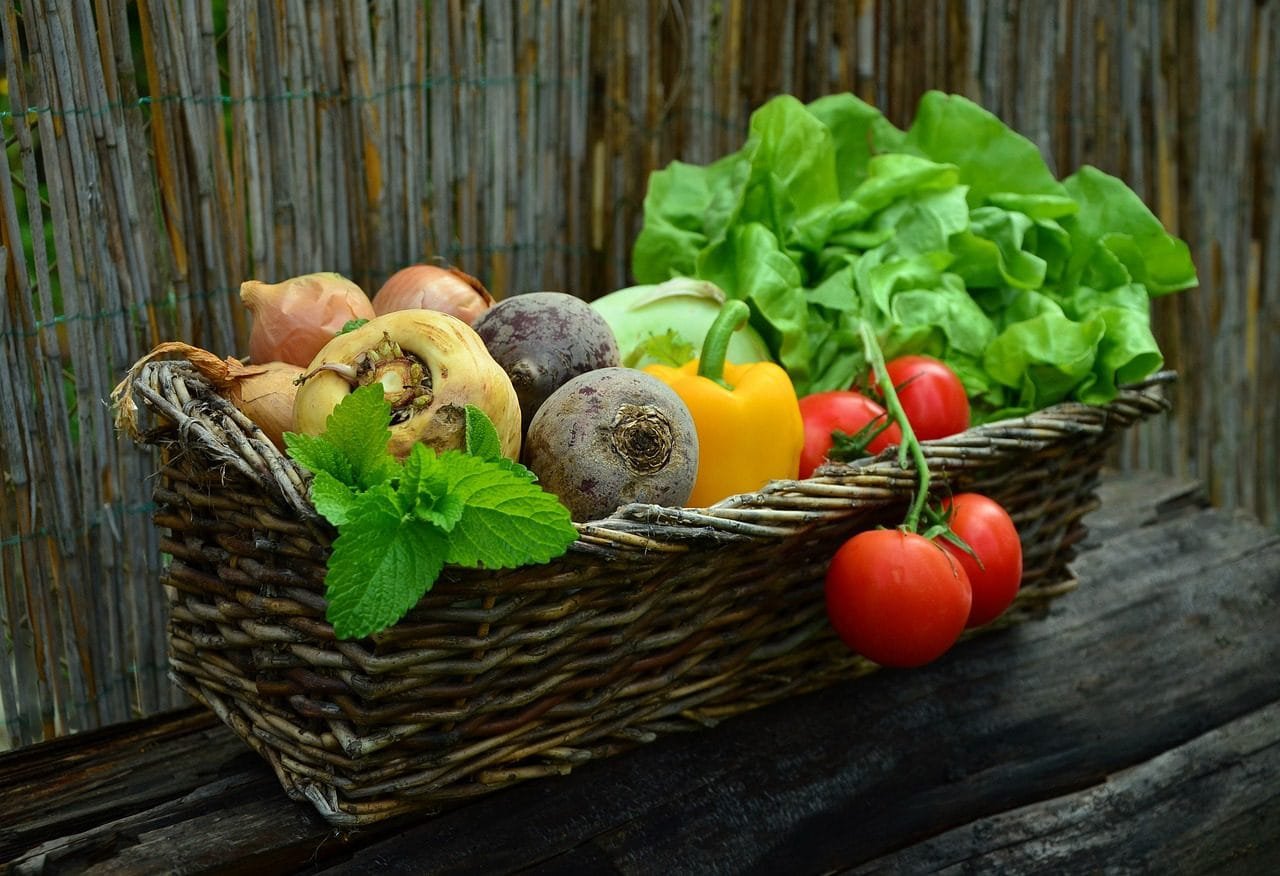
So, “Chaeso” literally means “vegetable-vegetable.” It specifically refers to plants grown for consumption—their leaves, stems, roots, and fruits. This is the more formal and botanical term for vegetables you cultivate in a field or garden.
However, some plants are excluded from this category.
- Staples like rice, barley, and wheat are called “곡식” (gokshik) or “곡물” (gongmul), meaning grains.
- Plants that grow wild in the mountains or fields, like mugwort or shepherd’s purse, are referred to as “나물” (namul).
“채소” (Chaeso) can be further categorized based on the part of the plant that’s eaten. For example:
- 잎채소 (Ip-chaeso): Leafy vegetables (cabbage, spinach, lettuce)
- 줄기채소 (Julgi-chaeso): Stem vegetables (celery, asparagus)
- 열매채소 (Yeolmae-chaeso): Fruit vegetables (eggplant, cucumber, tomato)
- 뿌리채소 (Ppuri-chaeso): Root vegetables (radish, carrot)
What is 야채 (Yachae)? The “Wild Vegetable” Controversy
This is where the Chaeso vs Yachae debate gets interesting. “야채” (Yachae) is also a Sino-Korean word.
- 야 (野): Refers to “field,” “wild,” or “uncultivated.”
- 채 (菜): Refers to a vegetable.
So, the literal meaning of “야채” is “wild vegetable.” This is the same as “들나물” (deul-namul), or wild greens.
However, almost no one in modern Korea uses “야채” to mean “wild vegetable.” The second meaning, which is identical to “채소” (cultivated vegetables), has become the dominant usage.
The Etymology of Yachae and the Japanese Connection
So why are there two words? The etymology of Yachae is the key. The word “야채” (Yachae) is a direct borrowing from the Japanese word yasai (野菜).
Because this word entered the Korean language during the Japanese colonial period, some language purists and organizations (like the National Institute of Korean Language) recommend using “채소” (Chaeso) instead, as it is the “correct” Sino-Korean term, free of Japanese influence.
This is the technical difference between Chaeso and Yachae, but it doesn’t reflect how people actually talk.
Chaeso vs Yachae: So, What Is the Real Difference in Daily Use?
Based on my research, in most everyday situations, you can use “채소” (Chaeso) and “야채” (Yachae) interchangeably. No one will misunderstand or correct you.
However, there is a slight “preference” or nuance in context, which is the practical answer to the Chaeso vs Yachae question.
“채소” (Chaeso) tends to sound more natural in scientific, botanical, or agricultural contexts. It refers to the plant itself.
밭에 채소를 심었어요.(I planted vegetables in the garden.)토마토는 뿌리채소예요.(Tomatoes are root vegetables.)신선한 채소를 고르는 법.(How to pick fresh vegetables.)
“야채” (Yachae) is more commonly used when referring to vegetables as food ingredients or dishes. It feels more culinary.
저는 아침에 주로 야채샐러드를 먹어요.(I usually eat a vegetable salad for breakfast.)저는 야채주스를 좋아해요.(I like vegetable juice.)라면에 넣을 야채 좀 샀어요.(I bought some vegetables to put in my ramen.)
Again, this is not a strict rule. You will hear “채소 샐러드” and “야채를 심다,” but the above is a very common tendency.
What About the Pure Korean Word, 남새 (Namsae)?
To add one more layer, “채소” and “야채” are both Sino-Korean words. The pure Korean word for vegetable is “남새” (Namsae).
While it’s not used often in everyday language today, you might come across “남새” in novels set in historical times or in specific proper nouns, like the “남새밭” (Namsae-bat, a vegetable garden). It’s a beautiful word that has been largely replaced by the more common Sino-Korean terms.
Final Verdict: Chaeso or Yachae?
➤ Although there are small historical and contextual differences, the distinction between Chaeso vs Yachae isn’t strict. In everyday conversation, using either one won’t feel out of place.
- Use “채소” (Chaeso) if you want to be 100% “correct” according to language purists, or if you’re talking about the plants themselves.
- Use “야채” (Yachae) if you’re talking about food and cooking, as it’s extremely common and natural in a culinary context.
Now you and I can use the Korean word for vegetable freely without any confusion!