
Podo Korean
The main course
The full course, Hangul to advanced. Detailed explanations and audio recorded by a native teacher — the way a private lesson works.


Written and recorded by a Korean teacher
Podo Korean teaches the way a private lesson does — detailed explanations and audio recorded by a native teacher. Start with 100 free lessons.
Free to start No AI voices iPhone & Android
Where to start
Each method has its own advantages and disadvantages.
You can do it both online and offline. It’s the most effective way, but also the most expensive one.
You can learn in a structured way for a relatively low price. But it’s easy to get bored pretty quickly.
The biggest advantage is that you can learn for free. But it’s really hard to study in a structured way that fits your level.
You can learn anytime, anywhere with your phone at an affordable price. But it’s hard to find a really good app among so many out there.
So which one should a serious learner choose?

The honest answer
For serious learners like you, a 1:1 lesson is the most suitable option.
It takes a lot of trial and error to find a teacher who’s reliable and kind.
The more popular a teacher is, the harder it is to book a lesson at the time you want. You also have to consider the time difference.
You’ll need to invest at least $1,000 to see results. (Average $20 per hour × 50 hours)
Is there an affordable, flexible alternative to 1:1 lessons?

The main course
The app for serious learners.
A structured course
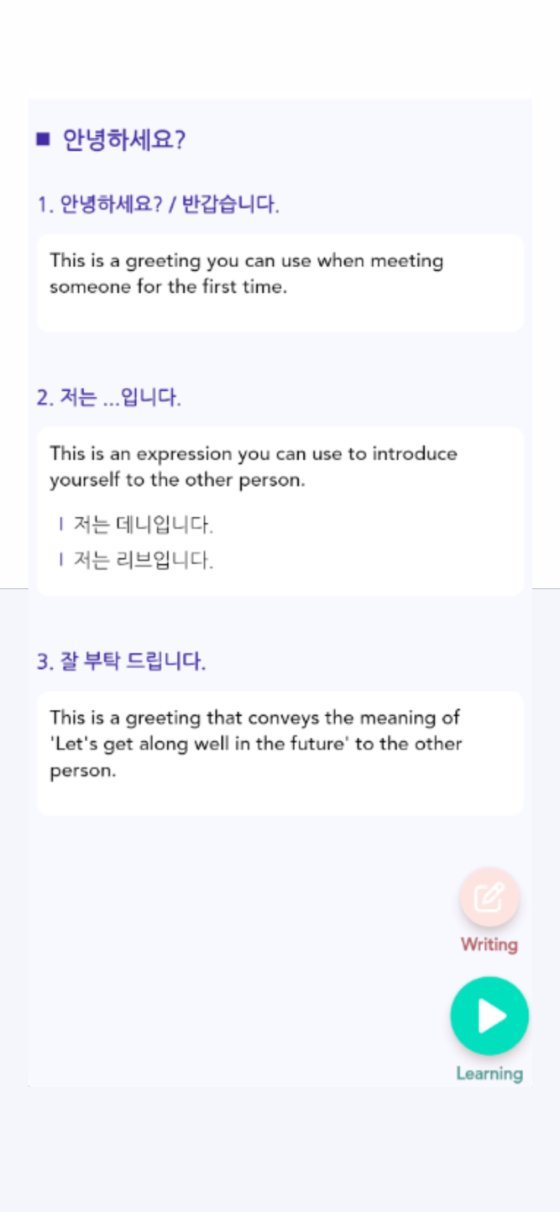
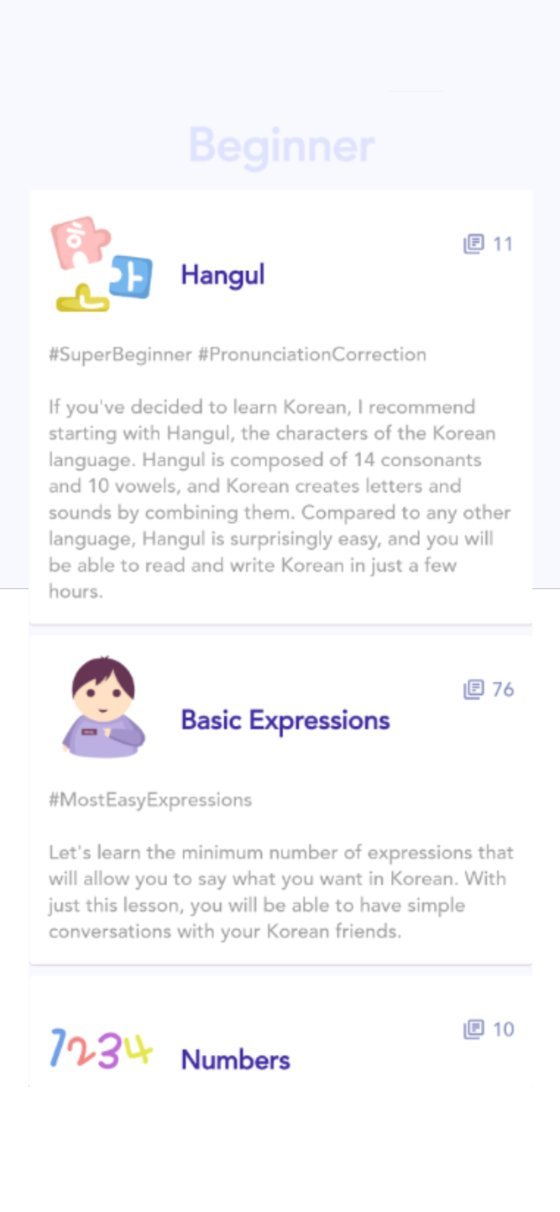
Creative and detailed explanations created by a native teacher with over 2,000 lessons of experience. Every course runs from Hangul upward, in the order a classroom would take you.
Recorded by a human
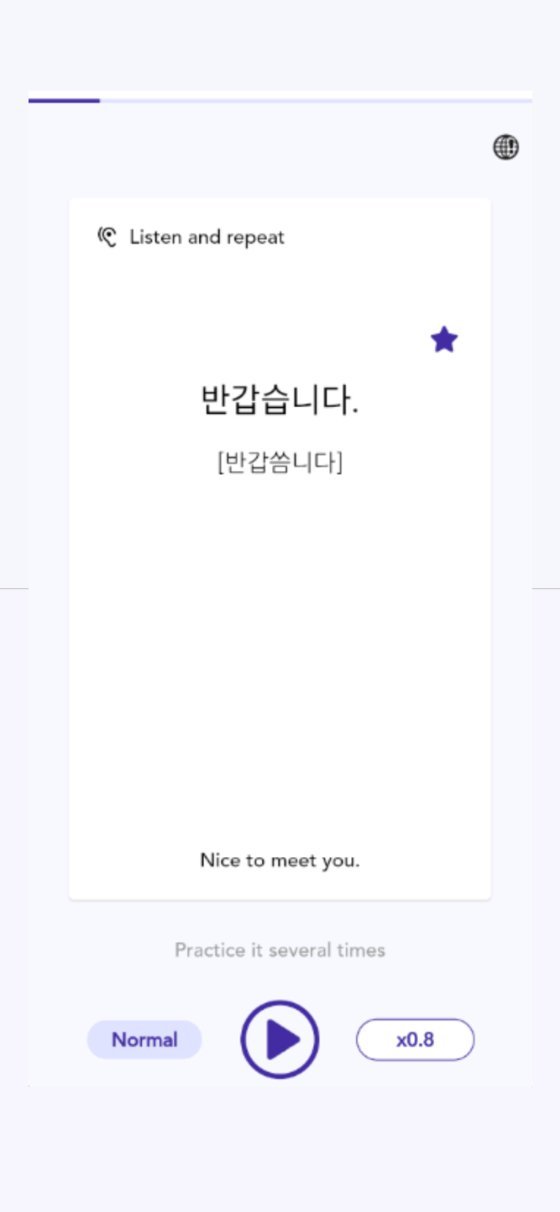
All audio is recorded by a native Korean teacher. You hear how a sentence is actually said — the stress, the speed, the small sounds a synthesiser flattens out.
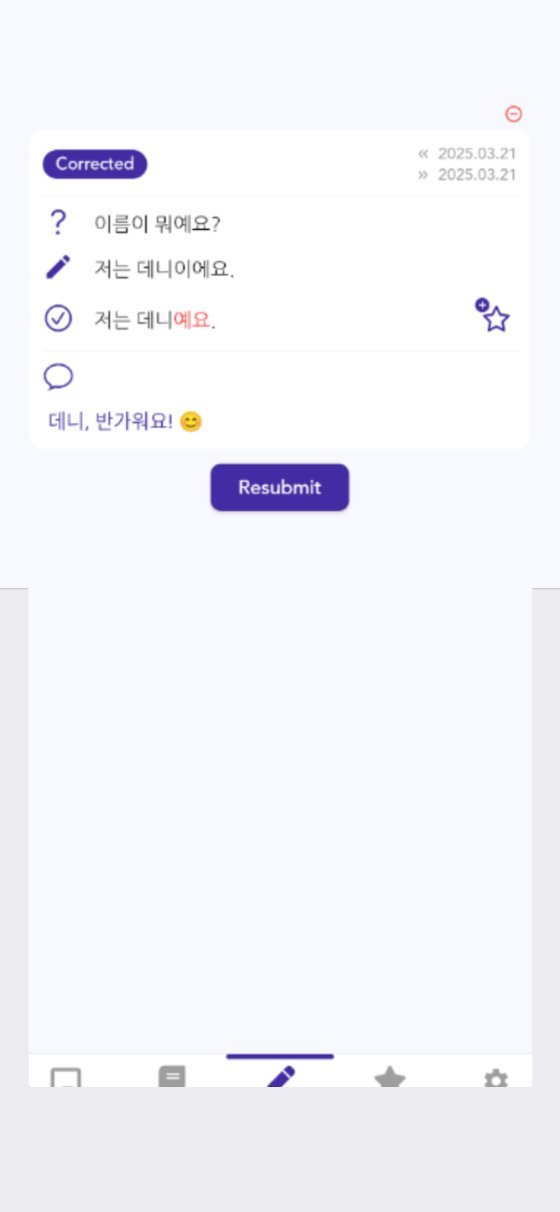
Marked by a person
Answer the writing question in your own Korean and send it in. A Korean teacher corrects it by hand and returns it with a comment, the way homework comes back in a real class.
Three apps, one system
Podo Korean is the course. The other two cover what a course alone leaves behind — the words you recognise but never use, and the sentences you understand but can’t say out loud.
The main course
The full course, Hangul to advanced. Detailed explanations and audio recorded by a native teacher — the way a private lesson works.
Vocabulary
1,000+ words you will actually run into, from 60 everyday topics. Image and audio quizzes move them into long-term memory.
Speaking
Hear a Korean sentence, say it back, and see exactly which syllables you got right. One full session free, every day.
Android coming soon
get notified →
Reviews from the App Store
“It’s like taking a real Korean class with a private tutor! The lessons are very well explained and allow for rapid progress! Thank you for this app!”
“I love it! I have about 10 apps to learn Korean, but there’s always something that bothers me. This one is perfect.”
“It is a very helpful app especially considering that I don’t know any Korean so it’s really helpful and I do recommend you using it beginner or not it’s amazing. 감사합니다!”
Before you start
Start with the 100 free lessons. If it turns out not to be for you, you have lost nothing but five minutes.
Free to start iPhone & Android