Mastering Korean Vocabulary: The Ultimate AI Mnemonic Hack

Hello! I’m Danny, a professional Korean teacher at Podo Korean, here to make your language learning journey as easy and fun as possible.

While teaching many international students, I’ve noticed one common, significant challenge everyone faces. You might understand grammar well and read Hangul fluently, but many hit a massive wall when it comes to ‘vocabulary memorization.’

Because the roots of English and Korean are completely different, there are almost no cognates—words that sound or look similar. From a learner’s perspective, Korean words can sound like a random jumble of noises, and no matter how many times you write them on paper, you tend to forget them the moment you turn away.

As a teacher, I’ve always pondered how to solve this problem and have studied various memorization methods. Recently, however, I discovered a brilliant and fascinating way to study Korean during a lesson with a German student of mine.

This method is so effective and remarkable that I wanted to share it with all Podo Korean learners around the world. So, shall we dive into the world of this amazing vocabulary memorization hack she taught me?

The Amazing AI Mnemonic Hack

She is a wonderful student who is usually excellent at understanding Korean grammar and very active in speaking practice. Today, she taught me a word that was unfamiliar to me: Mnemonics. I initially thought it was the name of a new Korean learning site, but it wasn’t.

The method she uses is ‘AI-powered Mnemonic memorization.’

Mnemonics is a learning technique that connects new information to familiar images, stories, or sounds we already know, embedding them deeply into our brains. She was using AI tools like ChatGPT as her personal tutor to turn boring, mundane Korean words into unforgettable, fun stories.

A young female student with blonde hair sitting at a cozy wooden desk, happily studying Korean with AI Mnemonic.

Revealing the Perfect AI Prompt to Hack Your Brain

She showed me the AI ‘Prompt’ she uses to memorize words every day. You should try opening your AI chat window and copying/pasting the English prompt below:

Create visual mnemonics for these Korean words: [insert words]. Include: (1) the word + meaning, (2) a vivid image/story linking the sound to the meaning, (3) any Hangul character hints if relevant (4) pronunciation hints. (4) a fun and easy example sentence (5) let me know in what settings to use the word like formal, causal, written, spoken, (6) what are common mistakes regarding the word. Make them memorable and slightly unusual.

In the [insert words] section of the prompt above, try entering the Korean words that you’ve always found difficult to memorize. This prompt is powerful because it doesn’t just give you the definition; it’s designed to take your brain through a 6-7 step process that is the most efficient way to absorb information.

I was particularly interested in step #2, ‘Vivid Image & Mnemonic Story.’ According to neuroscience, our brains remember visual images and stories much longer than simple text.

As you calmly visualize the somewhat quirky and clever stories the AI creates in this section, words that you previously gave up on trying to force-memorize will stick in your mind immediately. The effect of section 2 alone is huge enough to help you remember words effectively.

Additionally, checking item #3, ‘Hangul shape hints,’ completes the visual branding effect. Finally, checking item #6, ‘Common mistakes,’ is very useful for preventing awkward expressions that a foreigner might accidentally use.

Vivid Test Results Using the AI Prompt

I was so curious after seeing her prompt that I tested it myself using a few words that international students often confuse. The results were much more fun and informative than I expected.

First, I entered the word ‘방향 (Direction).’ In section 2, the AI created an amazing story:

"Suddenly, there was a loud 'Bang' sound, and you turned your head to where it came from to look for the 'hyang'—your direction (Direction)."

What do you think? By combining the sound ‘Bang-hyang’ with the action of looking toward a sound, the meaning of ‘방향’ becomes unforgettable. And the AI provided this practical example sentence:

우리는 지금 잘못된 방향으로 가고 있는 것 같아요.
(I think we are going in the wrong direction right now.)

Second, I entered a slightly higher-level adjective, ‘어설프다 (Clumsy / Awkward).’ This word is notoriously difficult for learners because of its pronunciation and subtle meaning.

The AI created this mnemonic story:

"Imagine someone trying to do martial arts, but their movements are very clumsy. You see them and say, 'Oh, soul... fool (eoseolpeu). Your soul is foolishly clumsy!'"

It might feel a bit forced or childish, but since it’s the ‘memorable and slightly unusual’ image requested in the prompt, it actually sticks deeper in the brain. Let’s look at the example sentence the AI created:

그는 아직 운전이 조금 어설퍼서 조심해야 해요.
(He is still a bit clumsy at driving, so he needs to be careful.)

How to Boost Learning Efficiency by 200% with Dictionaries and Native Audio

The mnemonic stories created by AI are excellent bridges for linking meaning and sound. But don’t stop there. To become a true Korean master, you must go through two more steps.

First, you must verify the accurate and deep usage of the word. Based on the meaning provided by the AI, go to the National Institute of Korean Language’s Korean-English Learners’ Dictionary and search for the word directly.

Reading the various parts of speech and official example sentences for different situations in the dictionary will help you understand the nuances of the word much more accurately. It’s about complementing the subtle linguistic gaps that AI might miss by using an official dictionary.

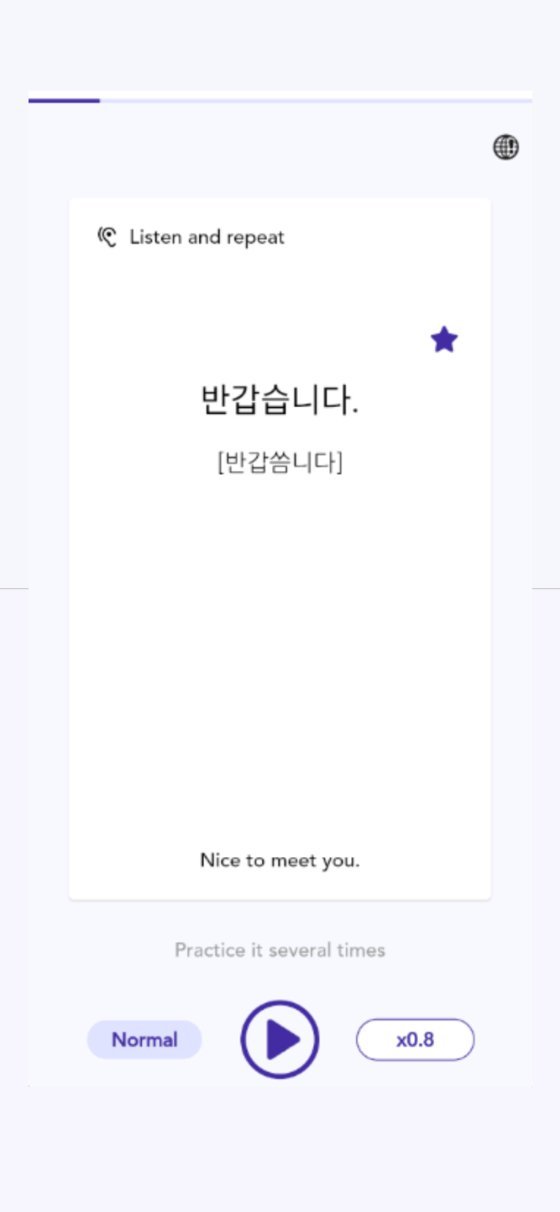
Second, the most important part is listening to and repeating after actual native speaker audio. Although the AI provides pronunciation points in step 4 of the prompt, there are clear limitations to learning pronunciation through text alone.

The specific linking rules or intonation of Korean can only be perfected when you listen with your ears and repeat with your mouth. Training your ears and oral muscles is essential to using the words you’ve learned through your eyes naturally in real conversation.

Create Your Own Clever Wordbook and Start Now!

The AI mnemonic hack I introduced today is truly innovative. Try choosing 5 words you have trouble remembering and use this prompt today. You will likely experience your vocabulary being absorbed into your brain faster and more enjoyably than ever before.

Drawing simple pictures in a notebook to match the fun images in your head is also a great study method. Those words will become your own unique, secret wordbook.

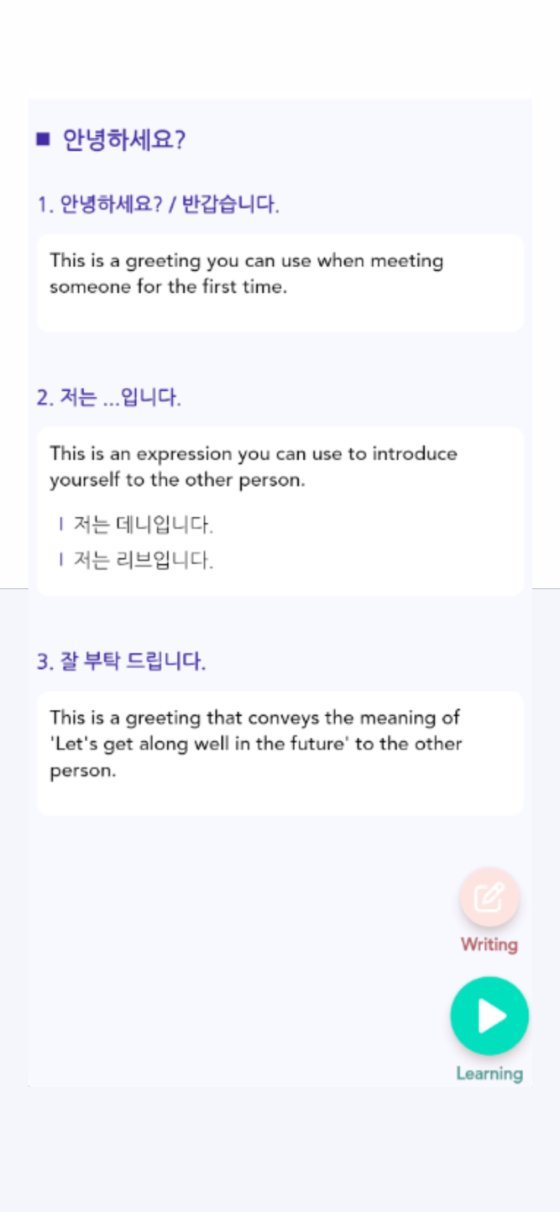
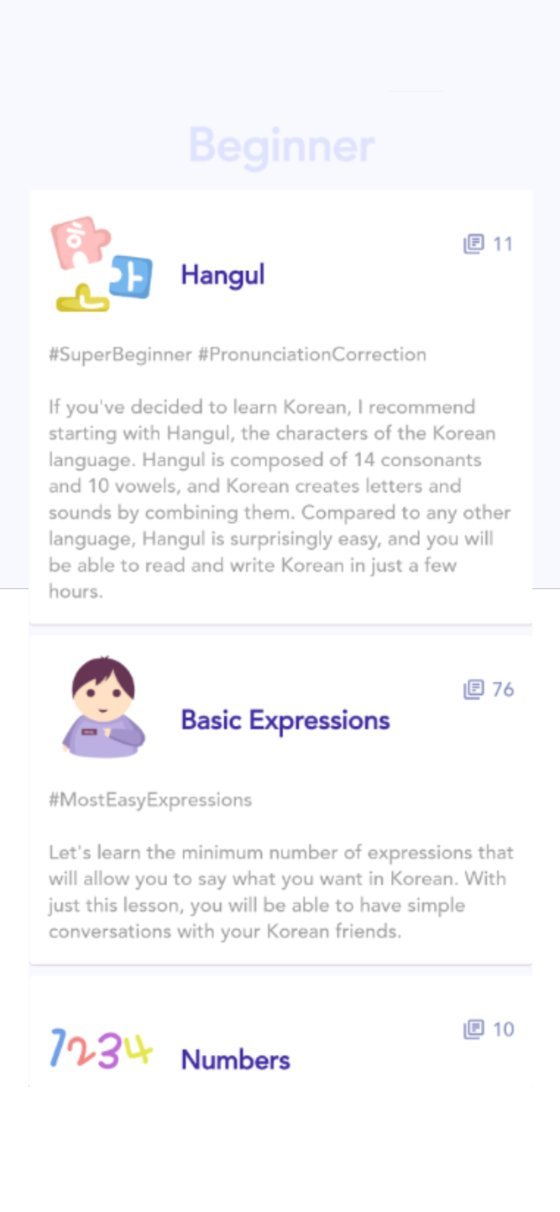
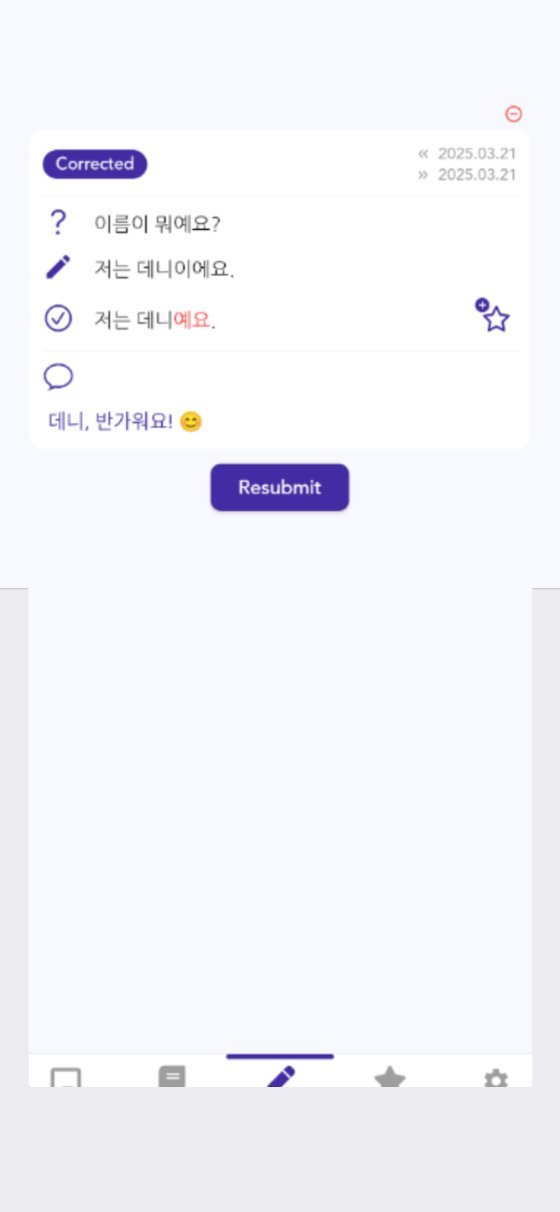
And if you want to listen to and practice these words and examples using the vivid voices of actual native speakers, I highly recommend using the Podo Korean app.

The Podo Korean app provides countless words and expressions used by Koreans in daily life, accompanied by natural native-speaker audio. If you combine AI’s creative imagination with the professional audio learning of the Podo Korean app, your Korean skills will grow at an astonishing speed. I’ll be back next time with more useful Korean learning tips. 화이팅!

Spread the love ❤️

댓글 달기

이메일 주소는 공개되지 않습니다. 필수 필드는 *로 표시됩니다

위로 스크롤