
A Foreigner’s Guide to Anju: The Best Korean Food and Alcohol Pairings

Hello! I’m Danny, a professional Korean teacher at Podo Korean. Recently, one of my American students came to class filled with excitement about their upcoming trip to Korea. As we were discussing her travel plans, we naturally drifted to the topic of Korean food and the alcoholic drinks that go with them. This conversation became the inspiration for today’s post.

In Korea, drinking alcohol almost always involves food. We have a special word for this food: ‘Anju’ (안주). Anju isn’t just a side dish to fill you up; it’s a core element of Korean drinking culture. Well-matched alcohol and anju enhance each other’s flavors, enrich conversations, and double the enjoyment of a gathering. The synergy created by these perfect Korean food and alcohol pairings is incredibly important to Koreans, and for every drink, there’s a ‘soulmate’ anju to go with it. Today, I’ll introduce three fantastic combinations loved by Koreans that will make your trip to Korea even more special.

A man and a woman are sitting on a picnic mat in a park by the Han River, eating chicken and drinking beer with Seoul Tower in the background.

[The Soul-Soothing Combo] Samgyeopsal & Soju: A Match That Comforts the Korean Soul

If you ask a Korean, “What’s your favorite alcohol and anju pairing?” nine out of ten will answer, ‘Samgyeopsal with Soju’ (삼겹살에 소주). This combination is more than just food; it’s a ‘soul food’ that embodies the joys and sorrows of Koreans, acting as a cultural symbol. Why has this popular pairing become the ultimate comfort food for the Korean soul?

First off, Samgyeopsal (삼겹살) is pork belly, characteristically grilled right at your table. The cheerful ‘jigeul-jigeul’ (지글지글) (sizzling sound) of the pork cooking to a golden brown is enough to make your mouth water. Once cooked, the meat is cut and dipped in ssamjang (쌈장) (a spicy soybean paste) or gireumjang (기름장) (sesame oil with salt and pepper). The experience is elevated by the culture of ‘ssam’ (쌈), where you wrap the meat with fresh vegetables like lettuce or perilla leaves, along with grilled garlic and kimchi, maximizing the flavor.

This is where Soju (소주) makes its entrance. Soju is a clear, distilled spirit made from fermented rice or other grains, and it’s considered Korea’s national drink. Its clean and slightly bitter taste perfectly cuts through the greasiness of the samgyeopsal, cleansing your palate. After taking a shot of soju, you pop a delicious ssam into your mouth, and the harmony of flavors makes you marvel and immediately prepare for the next bite. This endless, delightful cycle is a ritual for Koreans, whether at a company dinner with colleagues, a gathering with old friends, on happy days, or on sad ones.

Personally, I love adding grilled kimchi, enoki mushrooms, and tangy shredded green onions to my ssam. Share your favorite ssam combination in the comments! 🙂

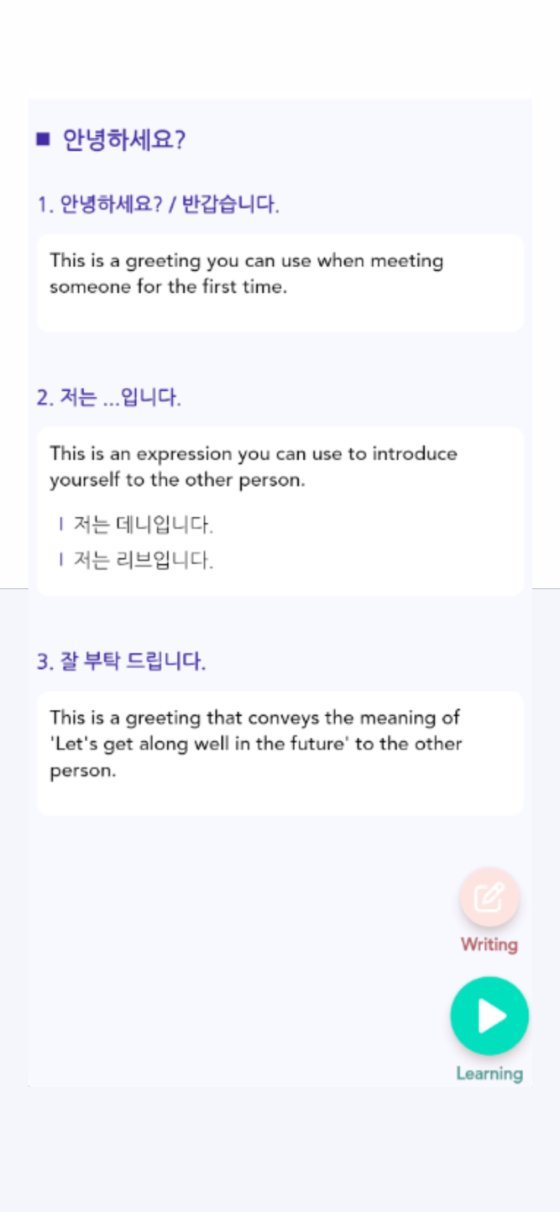
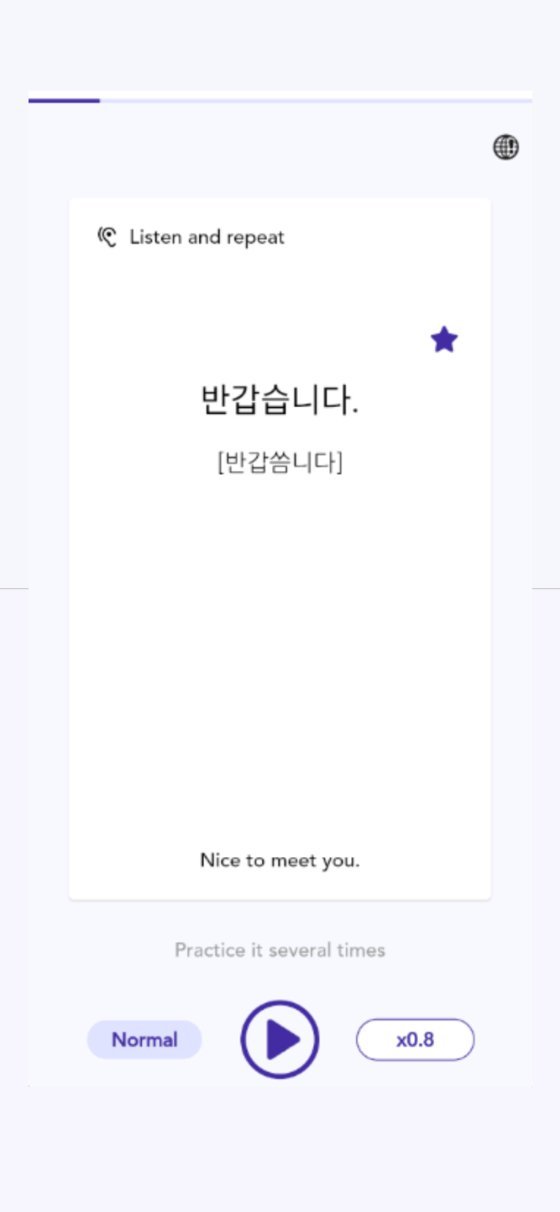
It would be great if you could confidently order at a restaurant by saying, “삼겹살 이 인분 주세요!” (Samgyeopsal i inbun juseyo!) (Two servings of samgyeopsal, please!). The pronunciation of words like ‘Samgyeopsal’ (삼겹살), ‘Soju’ (소주), and ‘i inbun’ (이 인분) (two servings) might be tricky at first. But don’t worry! With the Podo Korean app, you can listen to and repeat after native speakers to learn the correct pronunciation in a fun and easy way. It will make your trip to Korea that much richer.

[The Global Icon] Chimaek (Chicken & Beer): A K-Drama Sensation Among Korean Food and Alcohol Pairings

If you’re a K-drama fan, you’ve probably heard the word ‘Chimaek’ (치맥) before. Chimaek is a portmanteau of ‘Chicken’ (치킨) and ‘Maekju’ (맥주) (beer), and it has now become a global cultural icon, extending far beyond Korea. Its popularity skyrocketed, especially after the protagonist in the drama ‘My Love from the Star’ (별에서 온 그대) was shown enjoying it.

What makes Korean chicken so special is its variety and quality. Beyond the basic fried chicken, there are dozens of flavors, including ‘yangnyeom chicken’ (양념 치킨), tossed in a sweet and spicy sauce, and ‘ganjang chicken’ (간장 치킨), which features a savory soy-garlic glaze. Korean chicken is also typically double-fried, resulting in an exceptionally crispy skin while the inside remains moist. When you add a cold beer to this rich flavor and texture, a truly fantastic combination is born. The carbonation and coldness of the beer wash away the chicken’s greasiness, while the bitter notes of the hops enhance its savory taste.

Chimaek is typically enjoyed in casual settings—watching sports with friends, having a picnic at a Han River park, or ordering it for a late-night snack. Thanks to Korea’s advanced delivery culture, a major part of its appeal is that you can easily have a chimaek party anytime, anywhere.

[The Rainy Day Classic] Pajeon & Makgeolli: A Traditional Taste Enjoyed with the Sound of Rain

In Korea, there’s a long-standing saying: ‘비 오는 날엔 파전에 막걸리지’ (Bi oneun naren pajeone makgeolliji) (On a rainy day, it’s pajeon and makgeolli). Pajeon (파전) is a traditional Korean savory pancake made primarily with green onions mixed into a flour batter and fried thin and wide. It’s often enjoyed as ‘haemul-pajeon’ (해물파전) with added seafood like squid or shrimp. The texture of pajeon—crispy on the outside and soft and chewy on the inside—is truly captivating.

And pajeon’s eternal partner is Makgeolli (막걸리). Makgeolli is one of Korea’s oldest traditional alcoholic beverages, made from fermented rice, giving it a milky-white appearance. Its flavor is a unique blend of sweet and tangy, with a slight fizziness. With a relatively low alcohol content, it’s easy for anyone to enjoy. But no matter how delicious it is, makgeolli is still alcohol, so be careful not to overdo it! You might regret it the next day.

But why this specific pairing on rainy days? There are a couple of interesting theories. One suggests that the ‘chiiik-’ (치이익-) sound of pajeon frying resembles the sound of rain falling outside. Another theory is that on damp, gloomy days, the carbohydrates in pajeon and the mood-lifting effects of makgeolli provide psychological comfort. Whatever the reason, watching the rain fall while tearing off a piece of warm pajeon, dipping it in soy sauce, and taking a swig of cool makgeolli is a special kind of romance and happiness known to Koreans.

Bonus for Foreigners: Drinking Etiquette & How to Make ‘Somaek’

Here are a few tips to help you enjoy a Korean drinking session to the fullest. These small gestures will make you a more culturally savvy traveler.

  • Respect for Elders: When pouring a drink for an elder or a superior, hold the bottle with two hands to show respect. Likewise, receive your drink with both hands.
  • Turning Your Head: When drinking in front of an elder, it is polite to turn your head slightly to the side as you drink.
  • No Empty Glasses: Keeping others’ glasses full is part of Korea’s culture of ‘Jeong’ (정), a deep sense of affection and community. Of course, it’s perfectly fine to politely decline if you don’t want more to drink.

And how about learning to make another popular Korean concoction, ‘Somaek’ (소맥)? Somaek is a mix of soju and beer, beloved for its smooth taste and its ability to get you drunk a bit faster(?).

  • Finding the Golden Ratio: The most common ratio is 3 parts soju to 7 parts beer, but you can adjust it to your preference. People often use the logos or lines on the beer glass as a guide.
  • The Mixing Technique: Pour the soju first, then gently add the beer. Next, place a chopstick or spoon into the glass and give the bottom a firm ‘tak’ (탁) (tap). This creates a vortex, resulting in a perfectly blended somaek with a smooth head of foam! This little performance always livens up the party.

So, there you have it—three fantastic combinations of food and alcohol that represent Korea. From sizzling samgyeopsal and clean soju, to crispy chicken and cold beer, to a rainy day’s pajeon and sweet makgeolli. Each pairing is more than just a taste experience; it embodies Korean culture and emotion.

Which of these three combinations are you most excited to try first? Or do you know of another great Korean food and alcohol pairing? Share it in the comments below!

Do you want to order confidently like a local in a Korean restaurant and have fun drinking with new friends? Download the Podo Korean app now and start your fun journey of learning Korean. Podo Korean will be with you to help make your trip to Korea full of unforgettable memories. Geonbae (건배)! (Cheers!)

Spread the love ❤️

댓글 달기

이메일 주소는 공개되지 않습니다. 필수 필드는 *로 표시됩니다

위로 스크롤