
Essential Korean Airport Vocabulary: From Check-in to Boarding

Hello, everyone! I’m Danny, a professional Korean teacher at Podo Korean. Today, I’d like to start with a special personal story. I recently had a huge change in my life—I moved to Cambodia, my new home for the next three years. While leaving my beloved Korea and adapting to a completely new environment is a bit daunting, I’m also filled with excitement for this new beginning. It’s here that I’ve resolved to develop Podo Korean even further for all of you with a fresh mindset.

When I went to Incheon International Airport to leave Korea, I once again felt the unique atmosphere that an airport provides. The people pulling their suitcases, the bustling staff, and the look of anticipation on the faces of those waiting for their flights—all of this combines to create a feeling of ‘설레다’ (seolleda, heart is fluttering with excitement). I hope that when you travel to Korea someday, you’ll feel the same pleasant excitement I did the moment you first step into the airport. That’s why today, I’m going to teach you essential Korean airport vocabulary and phrases to make your trip to Korea more comfortable and enjoyable. These are surprisingly useful expressions that many students don’t know, so let’s make sure to master them this time!

Korean Airport Vocabulary: An airport scene with many travelers.

1. From Airport Arrival to Check-in: Essential Korean Airport Vocabulary

Your journey to Korea begins at the airport, the first gateway. Korea’s main international airport is ‘인천국제공항’ (Incheon Gukje Gonghang / Incheon International Airport). Most international flights arrive and depart from here. The very first thing you need to do upon arrival is find the check-in counter for your airline.

  • 공항 (Gonghang / Airport): To learn words related to the airport, we first need to know what ‘Airport’ is in Korean, right? 🙂
  • 터미널 (Teomineol / Terminal): Incheon International Airport is massive, divided into Terminal 1 (제1여객터미널) and Terminal 2 (제2여객터미널). It’s essential to check which terminal your flight departs from in advance. If you’re unsure, you can ask an airport employee: “실례합니다, 대한항공은 어느 터미널이에요?” (Excuse me, which terminal is for Korean Air?)
  • 항공사 (Hanggongsa / Airline) & 항공편 (Hanggongpyeon / Flight number): 항공사 refers to the company that operates the airplane (e.g., Korean Air, Asiana Airlines), while 항공편 is the unique number of your specific flight (e.g., KE687).
  • 체크인 카운터 (Chekeu-in kaunteo / Check-in counter): This is where you show your passport, check your bags, and receive your plane ticket, or boarding pass.

Let’s look at some key words and phrases you’ll need when talking to the staff at the check-in counter:

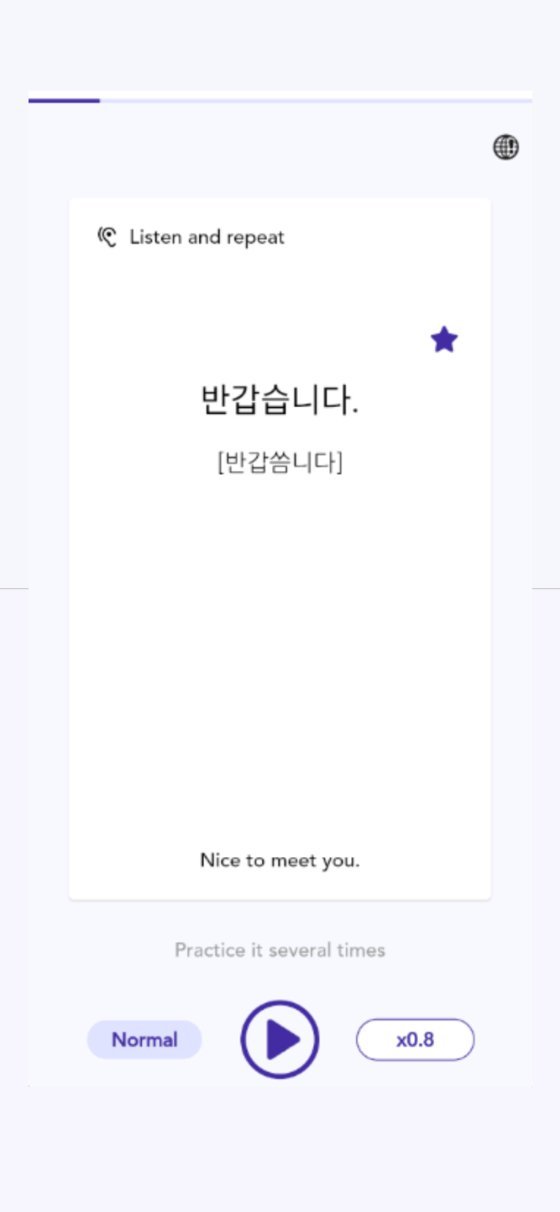
  • 여권 (Yeogwon / Passport): An essential item for international travel. For a more natural pronunciation, it sounds like [여꿘 / yeo-kkwon]. The staff will likely say, “여권 좀 보여주시겠어요?” (May I see your passport?).
  • 탑승권 (Tapseunggwon / Boarding Pass): The plane ticket you receive after checking in. It contains all the important information like your seat number, boarding gate, and boarding time.
  • 캐리어 (Carrier / Suitcase): In Korea, a wheeled travel bag is called a ‘캐리어’ (carrier). It’s an interesting example of Konglish, derived from the English word.
  • 수하물 (Suhamul / Baggage) or 짐 (Jim / Luggage): This refers to your travel bags. Baggage is divided into two main types.

First is ‘부치는 짐‘ (buchineun jim), also known as ‘위탁 수하물’ (witak suhamul / Checked baggage). This refers to the large luggage that goes into the plane’s cargo hold. The staff might ask, “부치실 짐 있으세요?” (Do you have any bags to check in?). Second is ‘들고 타는 짐‘ (deulgo taneun jim), or ‘기내 수하물’ (ginae suhamul / Carry-on baggage). This means the small bag you take onto the plane with you. If you only have a small bag, you can say, “이건 들고 탈 거예요.” (I will carry this on.).

2. Security Check and Immigration

Once you have your boarding pass, the next steps are the security check and immigration. You must pass through this area to enter the duty-free zone where you can board your plane. It can be a slightly tense process, but knowing the expressions used here will make it much smoother.

  • 보안 검색대 (Boan geomsaekdae / Security checkpoint): This is where they check for dangerous items. Here, you’ll put your bags and belongings through an X-ray machine and walk through a metal detector yourself.

Here are some common requests you might hear at the security checkpoint:

  • “가방 안에 노트북이나 태블릿 PC는 꺼내서 바구니에 따로 담아주세요.” (Please take out any laptops or tablets from your bag and put them in a separate bin.)
  • “주머니에 있는 소지품을 모두 꺼내주세요.” (Please take everything out of your pockets.)
  • “외투는 벗어서 바구니에 담아주세요.” (Please take off your jacket and put it in the bin.)

After the security check, you will go through ‘출국 심사 (Chulguk simsa / Departure Immigration)’. This is the official process to confirm that you are leaving the Republic of Korea. Koreans usually use automated gates, but foreign travelers will get an exit stamp on their passport from an officer at a staffed desk. Conversely, the process you go through when you arrive in Korea is called ‘입국 심사 (Ipguk simsa / Arrival Immigration)’. The immigration officer might ask a few questions.

For example, if they ask, “한국에는 어떤 목적으로 오셨어요?” (What is the purpose of your visit to Korea?), you can reply, “여행하러 왔어요.” (I’m here for travel.). To the question “얼마나 머무를 예정이신가요?” (How long are you planning to stay?), you can state the specific period, such as “일주일 동안 머무를 거예요.” (I will be staying for one week.).

3. Enjoying the Duty-Free Area and Preparing for Boarding

Once you’ve safely cleared immigration, it’s finally free time before boarding your flight! Incheon Airport is world-renowned for its excellent duty-free shops. This area is called the ‘면세 구역 (myeonse guyeok)’.

  • 면세점 (Myeonsejeom / Duty-free shop): A store where you can buy goods cheaply because they are exempt from taxes. Korean cosmetics (화장품 / hwajangpum), red ginseng (홍삼 / hongsam), and fashion accessories are particularly popular. Just browsing can make time fly!
  • 탑승구 (Tapseunggu / Boarding Gate): While enjoying shopping is great, the most important thing is not to miss your flight. Be sure to check the gate number on your boarding pass and head to that area in advance to be safe. You can ask, “38번 탑승구는 어디예요?” (Where is gate 38?).
  • 탑승 시간 (Tapseung sigan / Boarding Time): Many people confuse this with ‘출발 시간 (chulbal sigan / departure time)’. Boarding time is when you start getting on the plane, while departure time is when the plane actually leaves the airport. Boarding time is usually 30 minutes to an hour before departure, so you must arrive at the gate by the boarding time.

It’s also very important to get into the habit of checking the large screens located throughout the airport, called ‘전광판 (Jeongwangpan / Flight Information Display Screen)’. On these screens, you can check your flight’s status in real-time. They typically display the Flight (항공편), Destination (목적지), Time (시간), Gate (탑승구), and most importantly, the Status (상태).

  • 탑승 중 (Tapseung jung): Boarding. This means you need to get on the plane right now!
  • 지연 (Jiyeon): Delayed. The flight will depart later than scheduled.
  • 결항 (Gyeolhang): Canceled. This is the bad news that your flight has been canceled.

We’ve actually learned quite a few words today, haven’t we? Because these are words used in the specific situation of traveling, it’s easy to get flustered at the airport if you haven’t studied them beforehand. Studying words and expressions grouped by a specific situation like this is a very effective learning method. Concentrating on travel-related themes before your trip will be a huge help.

Final Thoughts: Your First Step to an Exciting Trip to Korea

Today, I shared my personal moving experience and we explored essential Korean expressions used at the airport. From ‘체크인’ (check-in), ‘탑승권’ (boarding pass), and ‘수하물’ (baggage) to ‘보안 검색’ (security check), ‘출국 심사’ (immigration), and ‘탑승구’ (boarding gate), just remembering these words will help you navigate a Korean airport with much more comfort and confidence. Language isn’t just about memorizing letters; it becomes truly yours when you understand the culture where it’s used and use it in real-life situations.

I sincerely hope your trip to Korea is filled with joyful memories, from the first moment at the airport to the last. Why not practice the expressions you learned today with practical examples provided in the Podo Korean app and prepare for your trip to Korea even more perfectly? The app download link is right below. I’ll see you next time with more useful and fun Korean stories!

Spread the love ❤️

댓글 달기

이메일 주소는 공개되지 않습니다. 필수 필드는 *로 표시됩니다

위로 스크롤